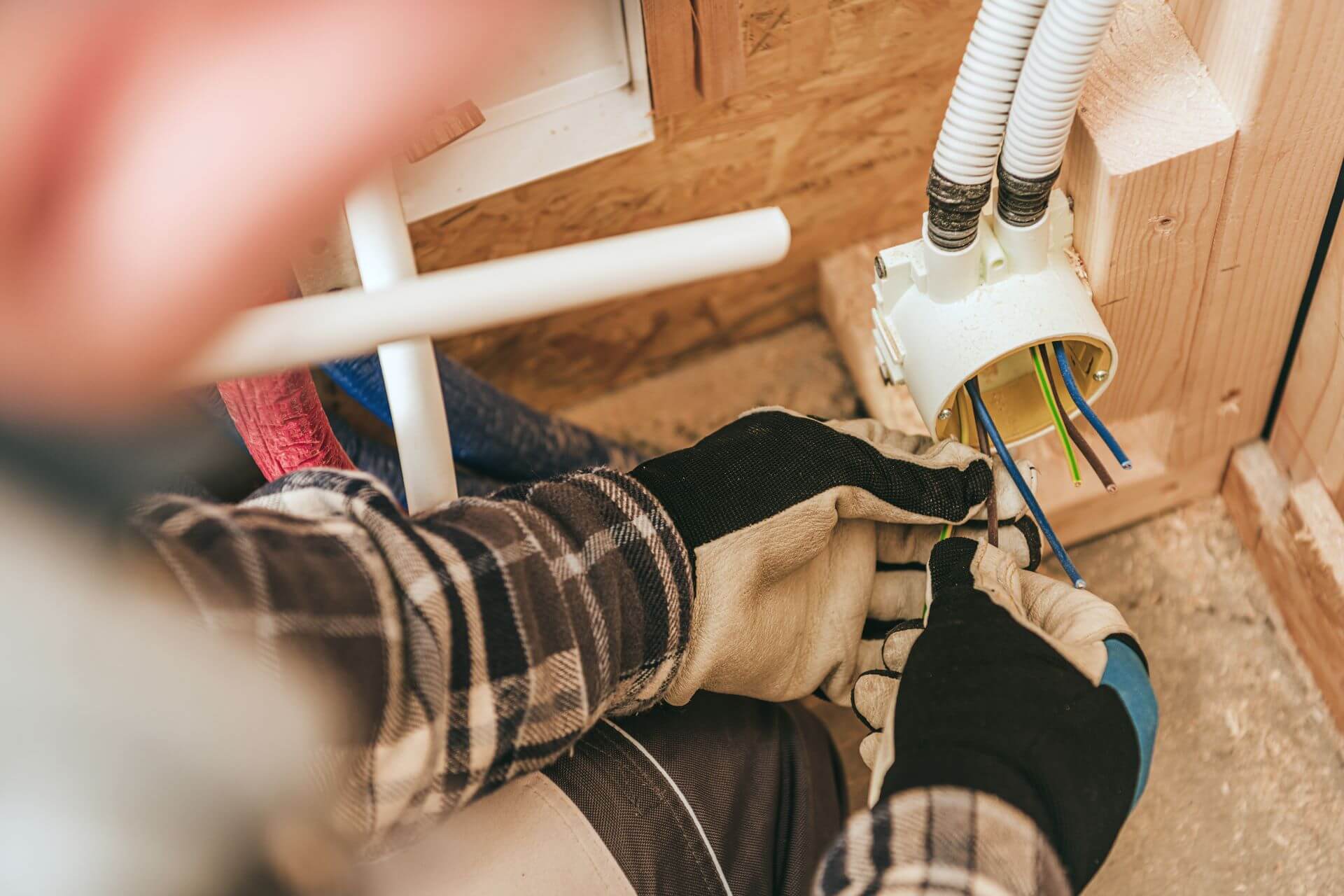
An electrical rewire is a comprehensive and strategic process of replacing or upgrading the electrical wiring within a building or structure.
This extensive renovation typically involves removing the existing electrical wiring system and replacing it with new, safer, and more efficient components.
Electrical rewiring is a fundamental aspect of maintaining the safety and functionality of a property, especially in older buildings where outdated wiring may pose fire hazards or insufficient electrical capacity for modern needs.
At Quantum, our team of experts are well versed in carrying out electrical installations, including dealing with old and faulty wiring and full house rewire solutions across properties of all ages. We adhere to building regulations across the board, and have vast experience working with existing wiring to rewire a house to the correct modern standards.
When Does a Property Need Rewiring?
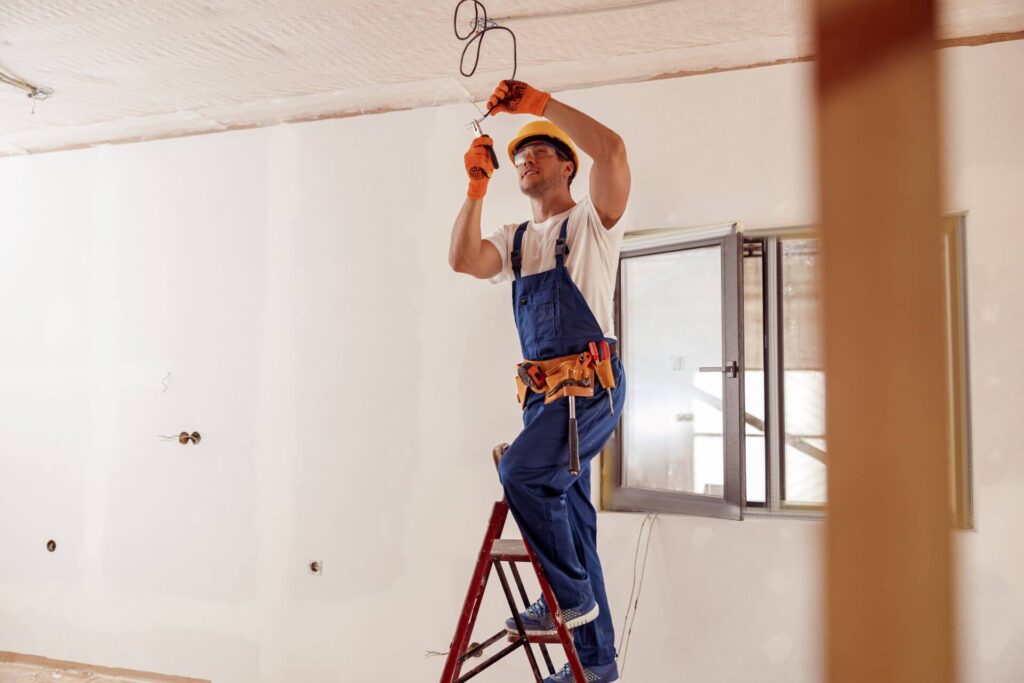
Understanding when an old property requires rewiring or a new electrical installation is crucial for ensuring electrical safety, efficiency, and compliance with building regulations. There are a few warning signs you can look out for, however we always recommend calling in a qualified London electrician to carry out an electrical inspection if you suspect that some rewiring work may be required.
At Quantum Electrical Services, we specialise in assessing and addressing the electrical needs of residential and commercial properties, including reviewing electrical components, electrical cables, light fittings and plug sockets.
Here are some key indicators that may signal the need for a property to undergo rewiring:
1. Age of the Wiring: One of the most common reasons for rewiring is the age of the existing electrical system. Older properties often have outdated wiring that may not meet modern safety standards, have faulty wires or simply cannot accommodate the electrical demands of contemporary appliances and technology. It may also not meet energy efficiency requirements. If your property has wiring that is several decades old, it's advisable to have it inspected by a qualified electrician. A qualified electrician will be able to advise what electrical installation work needs to be carried out, whilst also outlining the cost to rewire including labour costs.
2. Frequent Electrical Issues: If you're experiencing frequent electrical problems such as tripped circuit breakers, problems with the fuse box, flickering lights, or outlets that no longer work, these can be signs of deteriorating wiring. Faulty wiring poses safety risks and can lead to electrical fires, making rewiring a house a priority.
3. Insufficient Outlets: Modern living requires a higher number of electrical outlets to power various devices and appliances. If your property lacks sufficient outlets or relies heavily on extension cords and power strips, it may be time to consider rewiring to meet your electrical needs safely and conveniently. You should also consider the additional loads safety with older properties as you could overload the system which could pose a health risk to residents.
4. Safety Concerns: Safety should always be a top priority. If you suspect or know that your property has unsafe wiring, such as exposed wires, knob-and-tube or aluminium wiring, rewiring becomes essential to mitigate fire hazards and other potential dangers.
5. Renovation or Expansion: If you have a major renovation or expansion project, or you plan major remodelling work in the future, these could provide an ideal opportunity to assess and upgrade the electrical system in your entire property. Carrying out the rewiring process during these projects ensures that your property's electrical system is installed correctly, is equipped to handle increased electrical loads and adheres to current building codes.
At Quantum Electrical Services, we provide expert electrical inspections, electrical installation condition reports and rewiring services to address these and other concerns. Our experienced team can evaluate your property's electrical infrastructure and recommend the most suitable solutions to enhance safety and functionality, including a full rewire and other electrical work if required. Don't wait for electrical issues to escalate—contact us today to schedule an assessment and ensure your property's electrical system is up to the task.
Does my house need rewiring?
The need for an electrical rewire can arise for various reasons.
In many cases, particularly in older homes, it's a proactive measure to enhance electrical safety, comply with current building codes, and accommodate increased electrical demands due to the addition of new appliances, technologies, or electrical circuits.
Additionally, electrical rewiring may be prompted by concerns about the condition of the existing wiring, such as wear and tear, damage, or deteriorating insulation.
By upgrading the electrical infrastructure through a comprehensive rewire, property owners can ensure the safety and reliability of their electrical systems for years to come, reducing the risk of electrical hazards and enhancing the property's overall value.
How do I know when my property was originally wired?
Determining the original wiring date of your property is essential for various reasons, from ensuring safety to planning renovations or upgrades. While pinpointing the exact date can be challenging, there are several methods you can employ to estimate when your property was originally wired.
- Review Property Records: One of the most reliable sources of information is your property's historical records. Start by checking any available documents, such as building permits, blueprints, building regulations or inspection reports. These records often include details about when the electrical system and plug sockets were installed or last upgraded. Local government offices or historical societies may also have archives that could provide valuable insights.
- Examine Electrical Panels and Outlets: Take a close look at your electrical panel or circuit breaker box. Often, there may be labels or markings indicating the date of installation or any significant electrical work. Similarly, inspect electrical outlets and switches throughout your property. Sometimes, you'll find manufacturing dates or other markings that can offer clues about the wiring's age. At the end of the day, if it doesn't look like a modern consumer unit or fuse box, you probably want to get it checked out.
- Consult an Electrician: If you're unsure about the age of your property's wiring, consider hiring a licensed electrician to conduct an inspection and a full electrical installation condition report. They can assess the current wiring system's condition, look for any outdated components, and provide an estimate based on their expertise. They may also uncover hidden signs that could help date the wiring and ensure that it is in line with the latest building regulations.
- Check for Outdated Wiring Types: Different eras have seen the use of specific wiring types and materials. For example, knob-and-tube wiring was prevalent in the early 20th century, while aluminium wiring gained popularity in the 1960s and 1970s. If you find evidence of these outdated wiring types during renovations or inspections, it can provide a rough timeframe for when the wiring was installed. However, be mindful that this electrical wiring could not meet today's wiring regulations, and you could be at risk of injury or harm such as electric shocks, if not dealt with carefully
- Interview Previous Owners or Neighbour's: If you're still unable to determine the wiring's age, consider talking to previous property owners or long-term neighbour's who may have insights into the property's history. They may recall when electrical work was done or when significant changes were made in order to help you piece together exactly what work has been done on your existing cabling.
Remember that estimating the original wiring date may not be precise, but combining multiple sources of information can help you get a clearer picture. Knowing when your property was originally wired is crucial for ensuring the safety and efficiency of your electrical system, especially if you're considering rewiring a house or carrying out upgrades to your existing circuits to meet modern electrical standards.
Do I need a specialist electrician to rewire an older house?
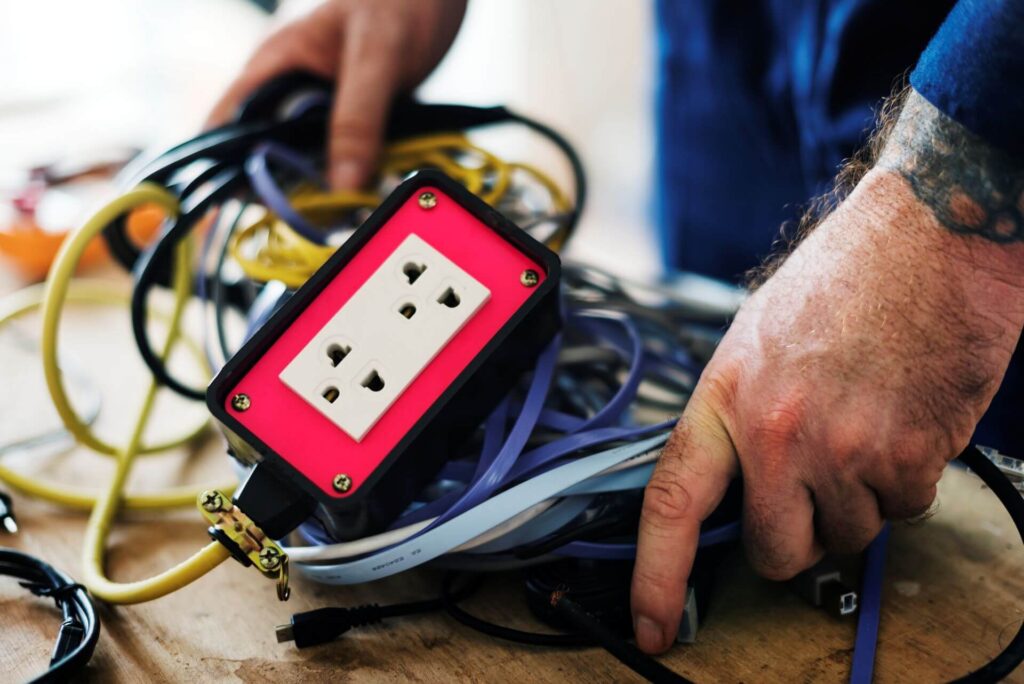
Rewiring an old house is a complex and delicate undertaking that demands specialised expertise. While many electricians are capable of handling routine electrical tasks, an old house presents unique challenges that often necessitate the services of a specialist registered electrician.
Older homes frequently have outdated electrical systems, such as knob-and-tube or aluminium wiring, and even hidden cabling which may not adhere to modern safety codes and standards. A specialist electrician possesses in-depth knowledge of these obsolete systems, enabling them to assess their condition and replace them safely and efficiently with new wires or a new consumer unit. They understand the intricacies of these older wiring systems, ensuring that the rewiring process meets current safety standards while preserving the historical aspects of the house before final sign off is carried out.
Preservation of historical and architectural features is paramount in rewiring old houses. Specialist electricians are skilled in working meticulously to minimise damage to these features, ensuring that the house retains its unique character and charm. They are experienced in navigating structural challenges often found in older homes, such as plaster walls, vintage framing, and confined spaces, all while adhering to safety and compliance standards. It is also important to consider that major work on an older home may require permission from the local authority or other authorities.
Furthermore, a specialist electrician is well-versed in both historical electrical practices and the latest local electrical codes. This knowledge ensures that the rewiring project not only respects the home's history but also adheres to contemporary safety regulations. Specialist electricians can also effectively troubleshoot issues commonly associated with older electrical systems, providing tailored solutions for circuit overloads, faulty wiring, or outdated electrical components. Plus, they should also have the correct insurance, such as public liability insurance, to provide additional peace of mind to the homeowner.