Your home is a sanctuary of comfort and security, but when electrical issues arise, that sanctuary can quickly turn into a source of worry and inconvenience. It's a scenario we've all faced at some point: flickering lights, sparking outlets, or mysterious circuit failures. The question that inevitably follows is, "I've noticed some faulty wiring in my house - what should I do?"
At Quantum Electrical and Plumbing, we understand the frustration and safety concerns that come with electrical problems, which is why we're here to provide you with not only solutions but also a unique perspective.
In this blog post, we'll explore the expertise and innovation that set Quantum Electrical and Plumbing apart as your trusted partner in navigating the intricacies of electrical troubleshooting.
The Warning Signs of Faulty Electrical Wiring in Your Home
Your home's electrical system is a complex network that powers your daily life, and when it's not functioning correctly, it can lead to a host of problems.
Recognising the warning signs of faulty wiring is the first step in maintaining a safe and reliable electrical system. You don't want to run the risk of electrical fires!
Here are some common indicators that should prompt you to investigate your electrical wiring further:
- Frequent Circuit Breaker Trips: If your circuit breakers are tripping frequently, it's a clear signal that something isn't right. This can be caused by overloaded circuits, faulty wiring, or electrical issues in your appliances.
- Flickering or Dimming Lights: Lights that flicker or dim unexpectedly are often a sign of a loose connection, damaged wiring, or an overloaded circuit. Don't ignore this, as it could be a sign of more significant problems.
- Burning Smell or Sparks: If you ever detect a burning odor or see sparks coming from outlets or switches, turn off the power immediately and seek professional help. These are serious safety hazards.
- Warm or Discoloured Outlets: Outlets that feel warm to the touch or appear discoloured may indicate overheating and should be addressed promptly.
- Outlets or Switches Not Working: If outlets or switches cease to function or work intermittently, it could be a sign of damaged wiring or a loose connection.
- Rodent Activity: Chewed wires, a common result of rodent infestations, can lead to electrical issues. If you spot evidence of pests, it's essential to inspect your wiring.
Recognising these warning signs early and addressing them promptly can prevent more extensive electrical problems and potential safety hazards in your home. If you encounter any of these issues, consider reaching out to a qualified professional to diagnose and resolve the problem.

Keep Track of Circuit Breaker Trips
Circuit breaker trips can be a common occurrence in many households, often due to minor overloads or occasional power surges. However, it's vital to keep track of these events, as they can also be a clear indicator of underlying electrical issues or faulty electrical systems. Here's how you can monitor and interpret circuit breaker trips effectively:
- Frequent Trips: If a specific circuit trips frequently, it's a red flag that something isn't right and it should be looked at as soon as possible. This could indicate that the circuit is overloaded, and it's essential to identify the source of the problem. Start by unplugging or turning off devices and electrical fixtures on that circuit and then reset the breaker. If it trips again immediately, there may be a wiring or breaker issue that needs professional attention, such as frayed wiring.
- Appliance-Related Trips: When a circuit trips while using a particular appliance, this could signal that the appliance is drawing too much power. Check light fixtures, extension cords and any other electrical components which are on the same circuit. It may be time to upgrade the wiring or circuit for that specific device.
- Random Trips: If your circuit breaker trips without any apparent cause, it's a sign of a more complex issue. This could result from a loose or damaged wire within the electrical system. In such cases, a professional electrician should be called in to diagnose and repair the problem.
By keeping a close eye on circuit breaker trips and understanding the causes behind them, you can address electrical issues promptly, preventing potential safety hazards and ensuring the continued reliability of your home's electrical system
What To Do If You Suspect Faulty Wiring
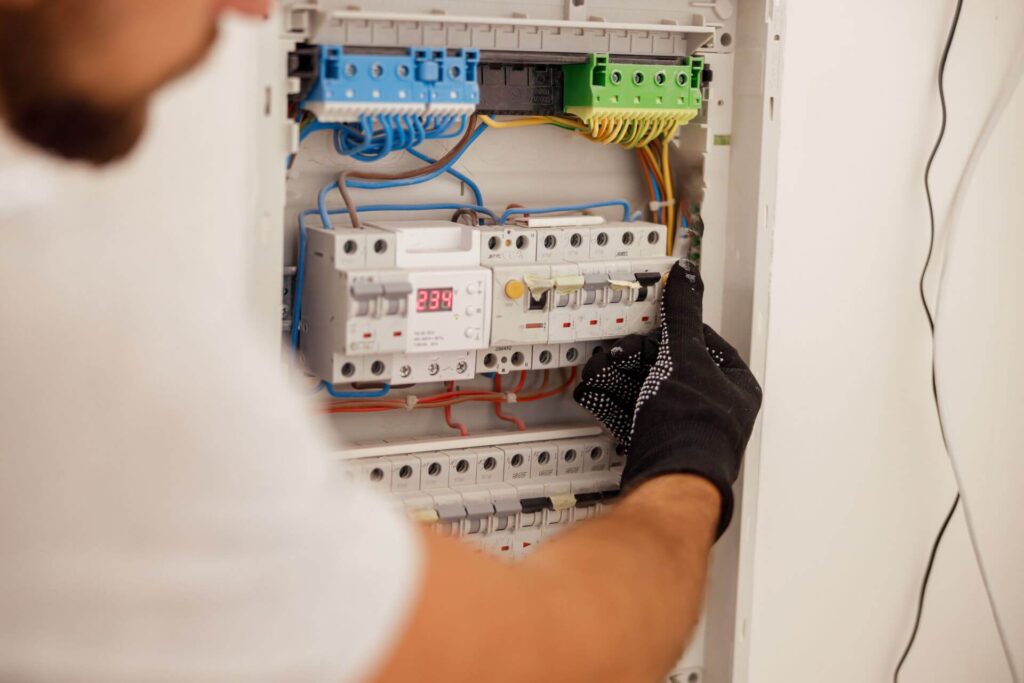
Suspecting faulty wiring in your home is a serious matter that requires immediate attention. Faulty wiring can pose significant safety hazards, including electrical fires, shocks, and damage to your appliances. Here's a comprehensive guide on what you should do if you suspect faulty wiring in your home:
- Safety First: The most critical step is to ensure your safety. If you suspect faulty wiring, turn off the power supply to the affected area immediately by switching off the circuit breaker or removing the fuse. This will prevent any further risk of electrical accidents.
- Avoid DIY Repairs: Never attempt to fix faulty wiring on your own unless you are a qualified electrician. DIY electrical work can be extremely dangerous and is often illegal. It's best to leave electrical repairs to professionals who have the expertise and tools to handle them safely.
- Assess the Situation: Examine the warning signs of faulty wiring, which may include flickering lights, discolored outlets, burning smells, or sparking. Document these issues as accurately as possible, which will help an electrician diagnose the problem.
- Contact a Professional Electrician: Once you've ensured your safety and assessed the situation, it's time to call a licensed London electrician. They will have the necessary skills and knowledge to identify and rectify the wiring issue. Be sure to hire a reputable and experienced electrician to ensure the quality and safety of the repairs.
- Do Not Use Affected Outlets or Switches: Avoid using any outlets, switches, or appliances connected to the suspected faulty wiring until the issue is resolved. This precaution is essential to prevent electrical shocks or fires.
- Consider an Electrical Inspection: In some cases, especially if your home is old or has a history of electrical problems, it may be prudent to schedule a comprehensive electrical inspection. An inspection can uncover hidden issues and ensure the overall safety and compliance of your electrical system.
- Follow Preventive Measures: Once the issue is resolved, consider taking preventive measures such as installing surge protectors, updating your electrical system, and avoiding overloading circuits to reduce the risk of future problems.
Suspecting faulty wiring in your home is a situation that demands immediate action to safeguard your family and property. Never underestimate the importance of addressing electrical issues promptly and professionally, as it can ultimately save you from potential disasters and ensure the continued safe and efficient operation of your electrical system.
Old Electrical Wiring: Is It Safe?
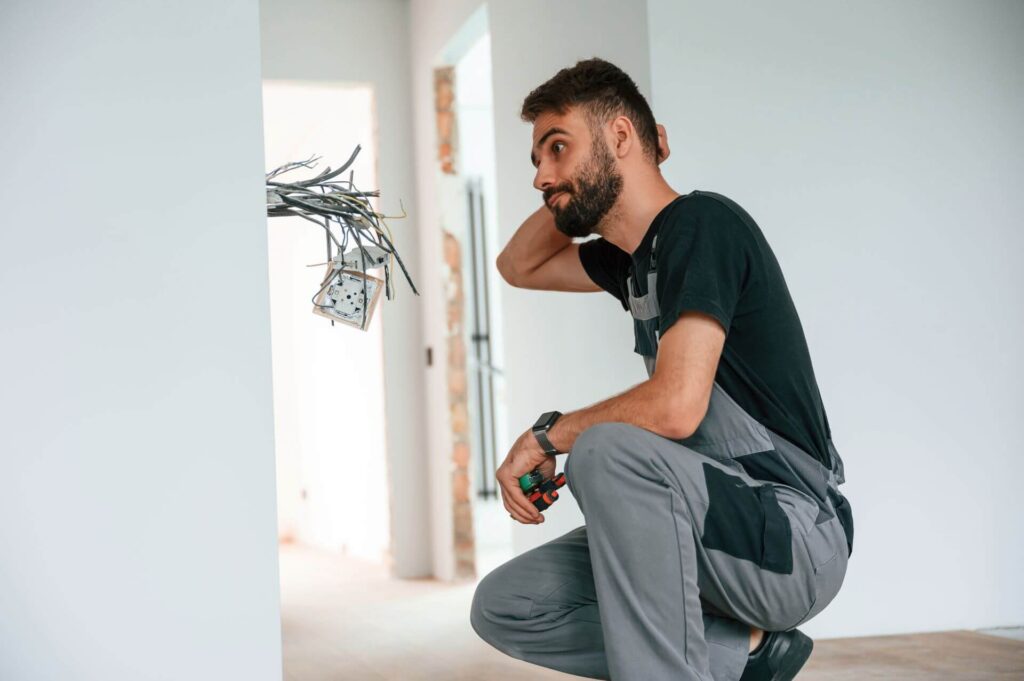
Old electrical wiring can raise significant safety concerns. Over time, the insulation around wires can deteriorate, leading to exposed wires, which increase the risk of electrical fires and shocks.
Aging electrical systems may not meet current safety standards, and they can struggle to handle the electrical demands of modern appliances and devices.
If your home has old wiring, it's advisable to consult a professional electrician for an inspection. They can assess the condition of the wiring and recommend necessary upgrades or repairs to ensure the safety and functionality of your electrical system.
When Should I Call In An Experienced Electrician To Deal With Electrical Wiring?
Calling in an experienced electrician is crucial when dealing with electrical wiring in several situations.
First, if you suspect faulty wiring due to warning signs like flickering lights, burning smells, or frequent circuit breaker trips, it's time to seek professional help.
Additionally, if your home has old or outdated wiring, or you're planning significant renovations, it's wise to involve an electrician. They should also be called for any DIY projects or home improvements involving electrical work.
Lastly, when you're unsure about the safety or condition of your electrical system, it's better to be cautious and contact an electrician for a thorough inspection to ensure your home's electrical safety.