Plumbing in a new washing machine might seem like a daunting task, especially if you're not a seasoned DIY enthusiast or a professional plumber.
Many homeowners will ask themselves the question 'do I need a specialist to plumb in a washing machine?'. However, this isn't always a simple yes or know question. Modern washing machines often have additional technology or electronics incorporated into them and whether its a integrated washing machine or a freestanding washing machine, there are a number of factors to consider when you decide its time to upgrade your old machine.
While some individuals with plumbing experience may successfully plumb in a washing machine as a DIY project, for many homeowners, hiring a specialist is the wisest choice. The expertise, compliance regulations, and peace of mind that professionals bring to the table far outweigh the potential cost savings of a DIY installation. Quantum Electricians London recommends consulting a licensed plumber or specialist to ensure a safe and trouble-free washing machine installation, allowing you to enjoy the convenience of clean clothes without the hassle or risk.
In this blog post, the London plumber experts at Quantum will explore the factors to consider when deciding if you should hire a specialist to plumb in a washing machine or attempt it as a DIY project. We'll give you the low down on the pros and cons of installing and replacing a washing machine so you can make an informed decision before you start the work.
Plumbing Expertise
Plumbing work involves a set of specialised skills and knowledge. If you're not confident in your plumbing abilities, hiring a specialist, such as the plumbing team at Quantum, is often the safest choice.
A professional plumber understands the intricacies of the water supply, drainage, waste pipe, waste hose, carriage bolts, drain line, and connections required for washing machines. Their expertise ensures that your appliance operates correctly and efficiently without any leaks or water damage.
Potential Complications
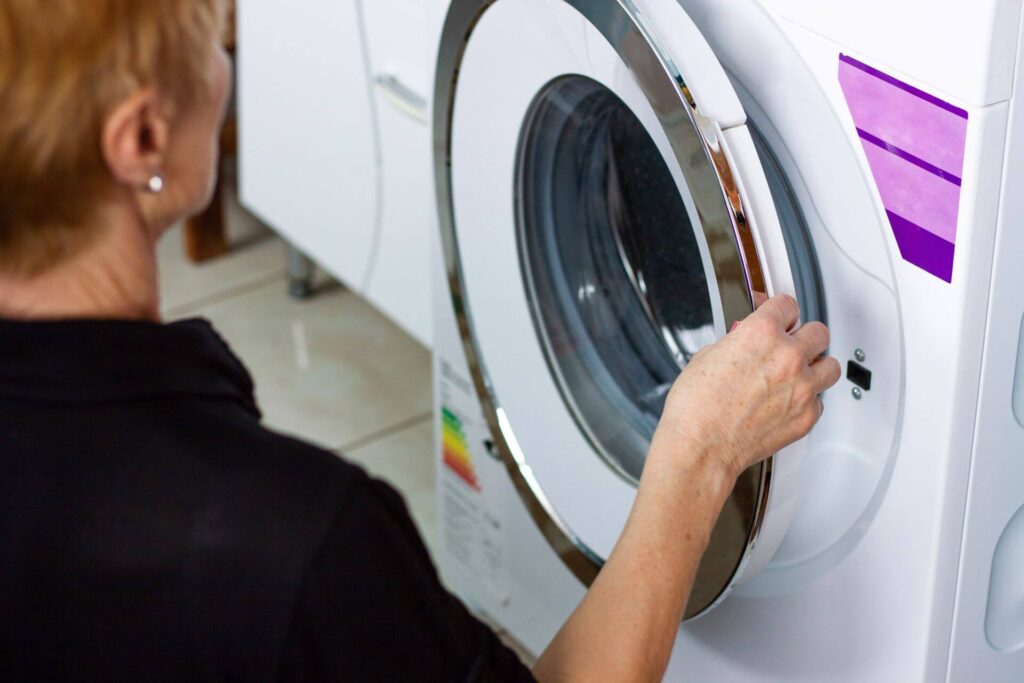
Removing an existing washing machine and plumbing in a new washing machine may appear straightforward, but various complications can arise during the installation process.
These complications include addressing existing plumbing issues, an incorrectly fitted waste water hose, connecting the cold water supply, dealing with incompatible fittings, or rerouting water lines or the power supply. This is particularly important to consider if you are moving your machine to a different location or putting it in a different room, such as a utility room.
A specialist plumber can quickly identify and address these challenges on the job, saving you time and potential frustration.
Warranty Considerations
Most washing machines come with warranties and manufacturer's instructions that may become void if the installation is not performed by a licensed professional.
If you encounter any issues with your new washing machine in the future, the manufacturer may require proof of professional installation to honor the warranty. Hiring a specialist to carry out the installing of the washing machine ensures that your warranty remains intact, potentially saving you significant repair or replacement costs down the road.
Safety First
Plumbing work involves handling water supply lines, pipe work, drainage systems, and electrical connections. Mishandling these components can lead to safety hazards such as electrical shocks or water damage.
Specialists are trained to work safely and are equipped with the necessary tools and safety gear to protect themselves and your property during the installation process.#
Time and Convenience
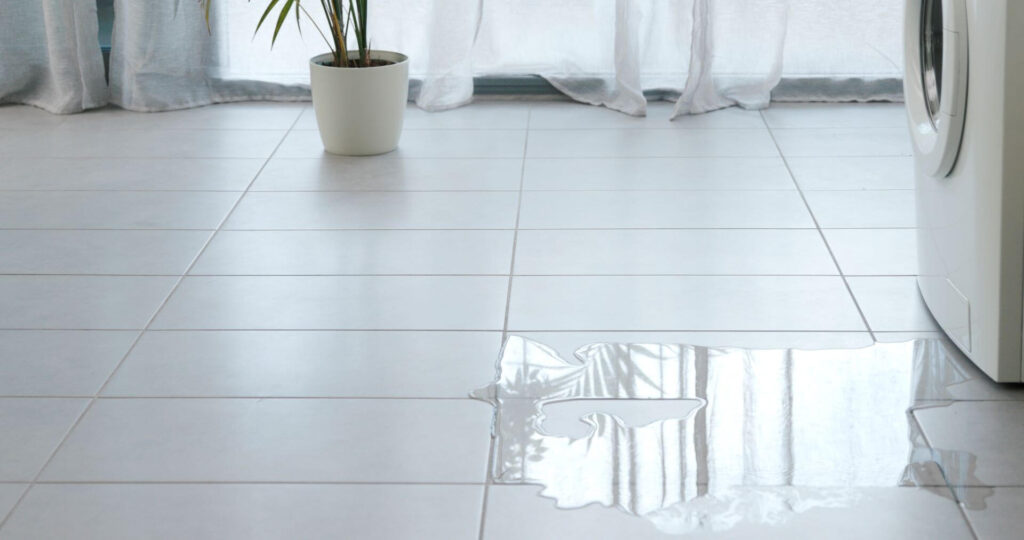
Plumbing in a washing machine, especially for those without prior experience, can be time-consuming and frustrating. It can also be a messy job as you are dealing with a water supply and plumbing aspects such as a waste pipe. Ultimately you could end up with a waste water puddle all over your kitchen floor if you're not careful!
A specialist can complete the installation quickly and efficiently, allowing you to use your new machine without delay. Hiring a professional also saves you the time and effort needed to research, purchase, and install the required plumbing components.
Peace of Mind
Perhaps one of the most significant advantages of hiring a specialist to plumb in a washing machine is the peace of mind it provides most home owners.
Knowing that your new machine is correctly installed by a trained and experienced professional eliminates worries about potential issues or complications. You can trust that your washing machine will function as intended, delivering clean clothes without any plumbing-related concerns.
Can a plumber fix a washing machine?
Yes, a plumber can fix certain issues with your washing machine, particularly those related to water supply, drainage, or installation. However, if the problem is electrical or mechanical, you may need an appliance repair technician. At Quantum, our plumbers handle washing machine installations and common plumbing-related repairs.
How much does it cost to install plumbing for a washing machine?
The cost of installing a washing machine can vary depending on several factors, including your location, the complexity of the installation, whether it is an integrated washing machine, whether you are installing it in the same place and whether you choose to hire a professional plumber or opt for a DIY approach.
On average, professional installation in the UK can range from £150 to £300. This cost typically covers labor and essential materials like pipes, hoses, and fittings. However, if your laundry area is situated far from existing water and drainage lines or requires significant modifications to your plumbing system, the installation cost may increase.
For those who choose to hire a licensed plumber to install a washing machine, while the upfront cost may be higher, it often guarantees a smoother and more reliable installation. This can be a wise investment, as it not only ensures the efficient operation of your washing machine but also helps you avoid potential water damage and safety hazards in your kitchen space. DIY installation is an option for those with plumbing expertise, but it's essential to factor in the cost of materials, potential mistakes, and the value of your time and effort when making this decision.
Can I have my washing machine installed in a new location?
Yes, it's typically possible remove your old washing machine and to have your new washing machine installed in a new location within most homes. It is important to work out exactly where the final position of the new washing machine will be, whether it is near the kitchen sink or close to an electrical socket, and ensure that you can connect it to a cold water supply easily and efficiently.
However, there are several considerations to keep in mind. First, assess the feasibility of moving the washing machine to the new location by checking the proximity to existing water supply and drainage lines. If the new location is far from these essential connections, it may require additional plumbing work, potentially increasing installation costs.
Secondly, consider the electrical requirements, particularly for integrated washing machines. Ensure that the new location has the necessary electrical outlets and voltage specifications for your washing machine. If not, you may need to hire and pay for an electrician to make the required electrical modifications. Finally, keep in mind that relocating your washing machine may also necessitate changes to the venting system, especially if you're moving it to a confined space. To ensure a smooth and trouble-free relocation, it's advisable to consult with a professional plumber or specialist who can assess the new location, provide guidance on any necessary adjustments, and perform the installation to meet safety and compliance standards.
How to install a washing machine
Installing a washing machine can be a manageable DIY project if you have some basic plumbing skills and the right tools. Here's a brief guide on how to install a washing machine:
Choose the Location: First, select a suitable location for your washing machine near a water supply and drainage point. Ensure the floor is level to prevent any wobbling during operation.
Prepare the Space: Clear the chosen area and ensure there's enough space for the washing machine. Remove any obstacles or debris that might interfere with the installation.
Connect the Water Supply: Attach the washing machine hoses to the hot and cold water supply taps. Use thread seal tape to secure the connections and prevent leaks. Ensure the hoses are connected to the correct taps (hot to hot, cold to cold).
Connect the Drain Hose: Connect the washing machine's drain hose to the drainage point. Make sure it's securely fastened to prevent any water leakage.
Plug In: Plug the washing machine into a nearby electrical outlet that meets the voltage and grounding requirements of your appliance. If necessary, hire an electrician to install a dedicated outlet.
Level the Machine: Use a spirit level to ensure the washing machine is level both front-to-back and side-to-side. Adjust the machine's feet as needed to achieve a balanced position.
Test Run: Before doing a full load of laundry, run a test cycle to check for any leaks or unusual noises. Ensure the machine fills, agitates, drains, and spins properly.
Washer Maintenance: Regularly clean the lint filter, and periodically clean the drum and detergent dispenser to maintain the washing machine's performance.
While installing a washing machine is doable for many DIY enthusiasts, it's crucial to follow the manufacturer's instructions closely and, if in doubt, consult with a professional plumber or appliance specialist for a safe and reliable installation, especially if you encounter complex plumbing or electrical requirements.