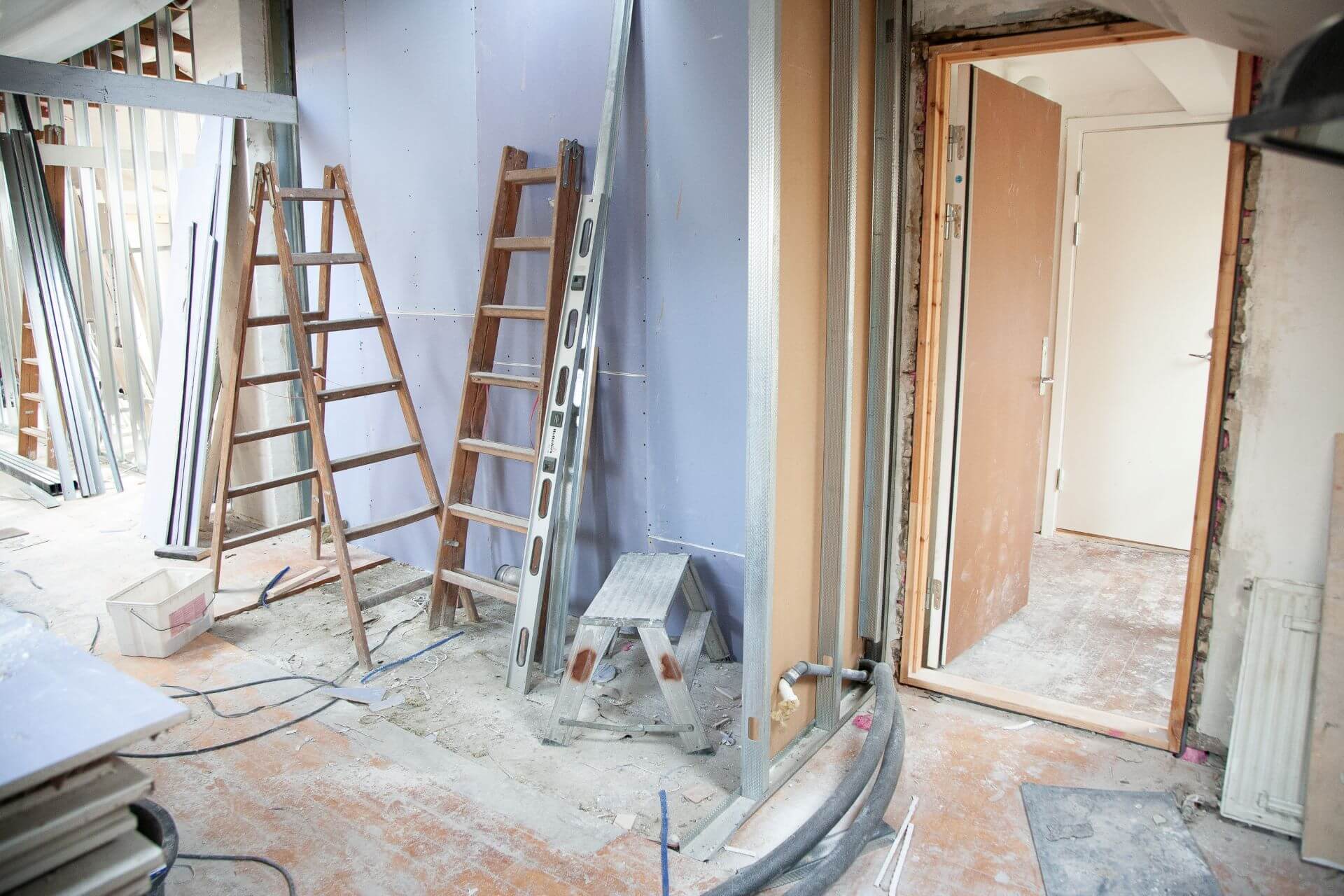
Purchasing a fixer-upper property can be an exciting endeavour, offering the promise of a dream home or a lucrative investment. However, embarking on this journey requires careful consideration, particularly when it comes to plumbing and electrical systems.
At Quantum Electrical and Plumbing, we understand the critical importance of these two fundamental components of any structure.
In this blog post, we will delve into the vital plumbing issues and electrical issues that must be on your radar when tackling a fixer-upper. We'll explore the potential challenges, cost implications, and the transformative power of upgrading and optimising these systems to ensure your property not only meets your vision but also maintains safety, efficiency, and long-term value. We'll also investigate when you may need to call a plumber or electrician in London to tackle major issues.
What Plumbing Issues Should I Look For When Searching For A Property?
When considering the purchase of an older house, it's crucial to be vigilant about potential plumbing issues that could affect your investment. Make sure you do your due diligence when it comes to common plumbing problems. Older homes often come with plumbing systems that have experienced years of wear and tear, making it essential to thoroughly inspect and assess some key concerns.
Its important to understand when you call a plumber, such as the team at Quantum Electrical and Plumbing. Whether you're dealing with issues with water heaters, a supply pipe, drain line or even a dripping faucet, getting professional help could help save you a costly mistake or a major issue if you do go ahead with the purchase.
- Galvanised Pipes: Many older houses were initially fitted with galvanised steel pipes, which are prone to corrosion and rust over time. Replacing these pipes may be necessary to avoid costly leaks or water quality issues.
- Lead Pipes: In houses built before the 1950s, lead pipes were commonly used for plumbing. Lead can leach into your water supply, posing a significant health risk. Replacing lead pipes with safer materials is a priority.
- Polybutylene Pipes: Houses constructed in the 1970s to the 1990s might have polybutylene pipes, which are notorious for ruptures and leaks and could cause issues across the house and plumbing system. These should be replaced with more reliable materials.
- Sewer Line Condition: Ageing sewer lines can develop issues like blockages, cracks, or tree root intrusion. A thorough sewer line inspection is crucial to detect and address these problems and carry out a repair if required.
- Water Heater Age: The water heater's age can affect its efficiency and safety. If it's older than 10-15 years, consider budgeting for a replacement. You should also investigate the condition of the hot water tank to ensure it is up to scratch and that you'll easily be able to access hot water in the property.
- Inadequate Ventilation: In older homes, inadequate or outdated ventilation systems can lead to moisture-related problems, such as mold and mildew. Upgrading ventilation can mitigate these issues. Super important if you're looking at new bathroom installation!
- Check whether the house is on a water meter: A water meter will significantly affect your water bills, so it is worthwhile researching whether the property has a meter fitted.
- Plumbing Code Compliance: Older houses may not meet current plumbing regulations. Ensure the plumbing system is up to date with current regulations, especially if renovations are planned.
Careful scrutiny of these plumbing concerns when buying an older house will help you make an informed decision and prepare for any necessary repairs or upgrades. Consulting a qualified home inspector or plumber is advisable to ensure a thorough evaluation of the plumbing system's condition and any potential associated costs.
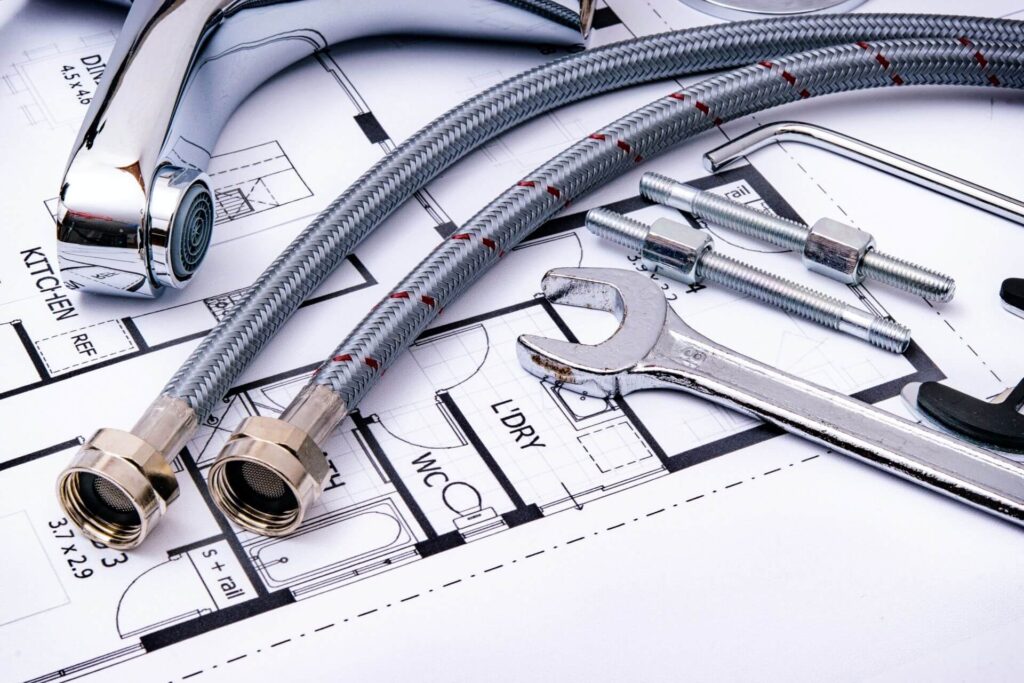
The Most Common Plumbing Problems with Fixer-Uppers
When tackling a fixer-upper project, it's essential to address common plumbing issues that often plague older homes and their water supply. Neglecting these problems can lead to costly repairs down the road. Here are some common plumbing issues you might encounter and how to fix them.
- Leaky Pipes and Dripping Faucets: Ageing drain pipes and dripping faucets can develop leaks due to corrosion or wear. Replacing damaged sections or opting for a complete pipe upgrade is the solution. Consider switching to more durable materials. Additionally, don't forget that a leaky drain pipe could also affect your water bill, meaning that these common plumbing problems could cost you an arm and a leg in the long run.
- Low Water Pressure: Low water pressure is a common plumbing problem and can be caused by mineral buildup in pipes or clogs in a faucet or shower heads. This can stop cold and hot water effectively coming out of the system. Cleaning or replacing these fixtures and inspecting the main water line can help improve pressure.
- Clogged Drains: Old homes often have drains that accumulate debris and grime over the years. This includes hair and other waste which can cause slow drains and a big mess if it over flows onto the floor. Regular drain cleaning and the use of drain screens can prevent a clogged drain. If clogs persist, professional snaking or hydro-jetting might be required.
- Inadequate or Outdated Fixtures: Outdated plumbing fixtures can lead to inefficiency and wasted water. Using a plumber to upgrade water-efficient faucets, toilets, and shower heads not only conserves resources but also improves the functionality of your plumbing system. If left unfixed, you could end up with issues with your old shower, toilet or even your kitchen sink as the years go by.
- Sewer Line Issues: Tree root intrusion, cracks, or blockages in sewer lines are common in older homes. A professional inspection and repair from an experienced plumber can prevent sewage backups, clogged drains and costly excavation.
Addressing these common plumbing issues in your fixer-upper is crucial for ensuring the long-term functionality, safety, and value of your renovated home. Consult with a licensed plumber to evaluate and address any plumbing concerns effectively. If there are big issues or leaks it may be wise to call an emergency London plumber in to sort these issues as soon as possible.
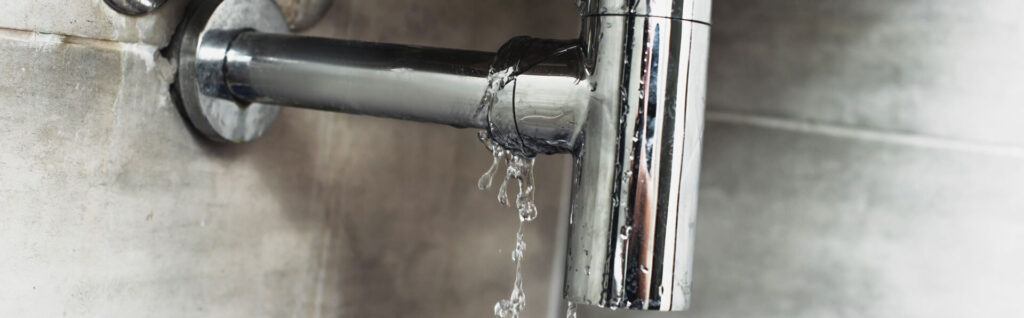
Are Older Homes Prone to Low Water Pressure?
Yes, older homes often face challenges related to low water pressure causing ongoing plumbing problems.
Over time, sediment buildup, corrosion, and outdated plumbing materials can restrict water flow. Aging pipes, especially those made of galvanised steel or cast iron, are more susceptible to mineral deposits and corrosion, leading to reduced pressure.
Additionally, older homes may have smaller diameter pipes, limiting the water supply. To address this issue, it's essential to assess the plumbing system's condition, considering potential replacement or upgrading pipes and fixtures. Modernising plumbing can significantly improve water pressure, making it a worthwhile investment for older properties.
What to Do If You Have No Hot Water
Sudden loss of hot water can be frustrating, but there are steps you can take to diagnose and potentially resolve the issue.
First, check if the pilot light on your water heater is lit, and if you have a gas water heater, relight it if needed.
For electric heaters, ensure the circuit breaker hasn't tripped.
If these aren't the culprits, consider the thermostat settings, sediment build-up, or a malfunctioning heating element. It's also wise to inspect for any leaks. If troubleshooting doesn't work, don't hesitate to call a plumber, such as Quantum Electrics and Plumbing to assess and repair the problem swiftly and safely.
The Most Common Electrical Problems with Fixer-Uppers
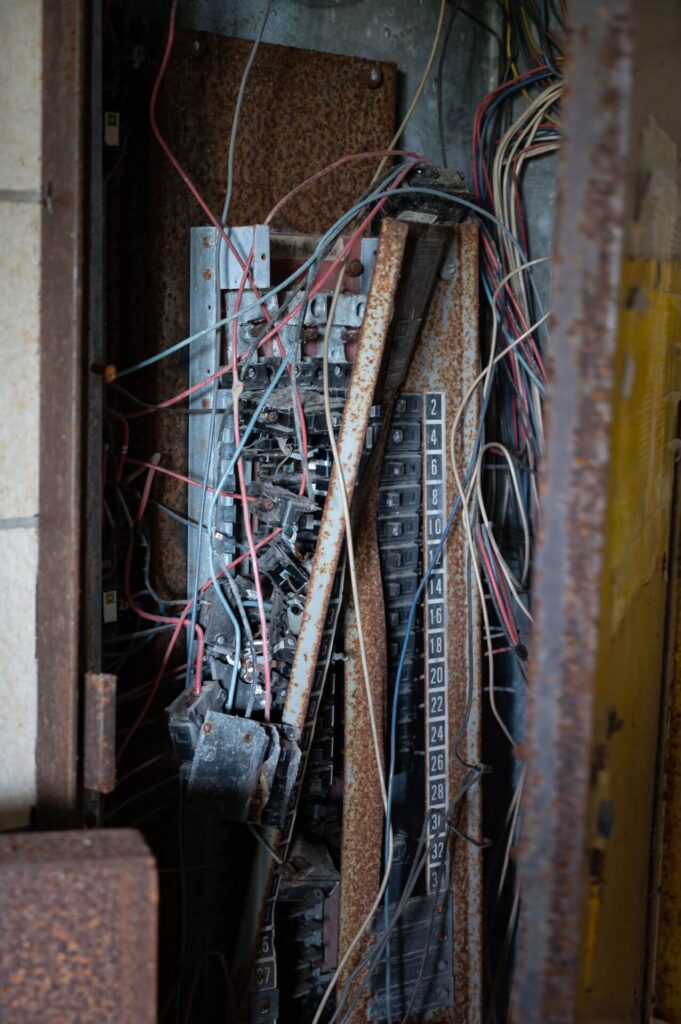
Fixer-uppers often come with a host of electrical issues due to outdated or neglected wiring systems. Ignoring these problems can lead to safety hazards and inconvenience. Here are some of the most common electrical issues you might encounter in older homes and how to address them:
- Outdated Wiring: Many older homes have outdated electrical wiring, such as knob-and-tube or aluminium wiring. Upgrading to modern copper or aluminium wiring is essential for safety and functionality. This may also involve updating your electrical panel to handle increased power demands.
- Overloaded Circuits: Overloading circuits with too many devices can lead to frequent circuit breaker tripping. To address this, consider redistributing the load by adding additional circuits or using power strips with surge protection.
- Flickering Lights: Flickering lights can result from loose connections or faulty fixtures. Tightening connections and replacing bulbs, switches, or dimmer switches can often resolve this issue.
- Non-Grounded Outlets: Many older homes lack grounded outlets, which can be unsafe for modern electronic devices. Updating outlets to three-prong, grounded types or using GFCI outlets in areas like the kitchen and bathroom is crucial.
- Faulty Outlets and Switches: Worn-out or malfunctioning outlets and switches should be replaced promptly to prevent electrical hazards. It's essential to ensure that they are installed correctly and securely.
- Electrical Safety Hazards: Inspect for exposed or damaged wiring, open junction boxes, and frayed cables. Such issues must be resolved immediately to prevent electrical fires.
Addressing these common electrical problems in your fixer-upper is vital for safety and the efficient operation of your home. Consult a licensed electrician to conduct a thorough inspection and make necessary upgrades and repairs, ensuring your electrical system meets modern safety standards.