As the temperature drops and winter sets in, homeowners brace themselves for a new set of challenges, especially when it comes to plumbing and heating.
The colder months can wreak havoc on your plumbing system, leading to issues that range from inconvenient to potentially damaging. Sometimes emergency plumbers are required to help.
In this guide, the team at Quantum Electrical and Plumbing will explore common plumbing problems that arise during winter and provide practical solutions to keep your home running smoothly.
Check Your Central Heating:
A well-maintained central heating system not only keeps your home warm and comfortable but also contributes to energy efficiency and cost savings.
At Quantum Electrical and Plumbing, we understand the importance of a reliable heating system during the colder months. Here are some key steps to take to ensure your central heating system is in good condition before winter arrives.
1. Schedule a Professional Inspection:
Before the temperature drops significantly, it's advisable to schedule a professional inspection of your central heating system.
A certified technician from Quantum Electrical and Plumbing can thoroughly assess the system, checking for any potential issues, wear and tear, or inefficiencies.
This proactive approach allows you to address any concerns before they escalate into major problems, ensuring that your heating system operates at peak performance throughout the winter.
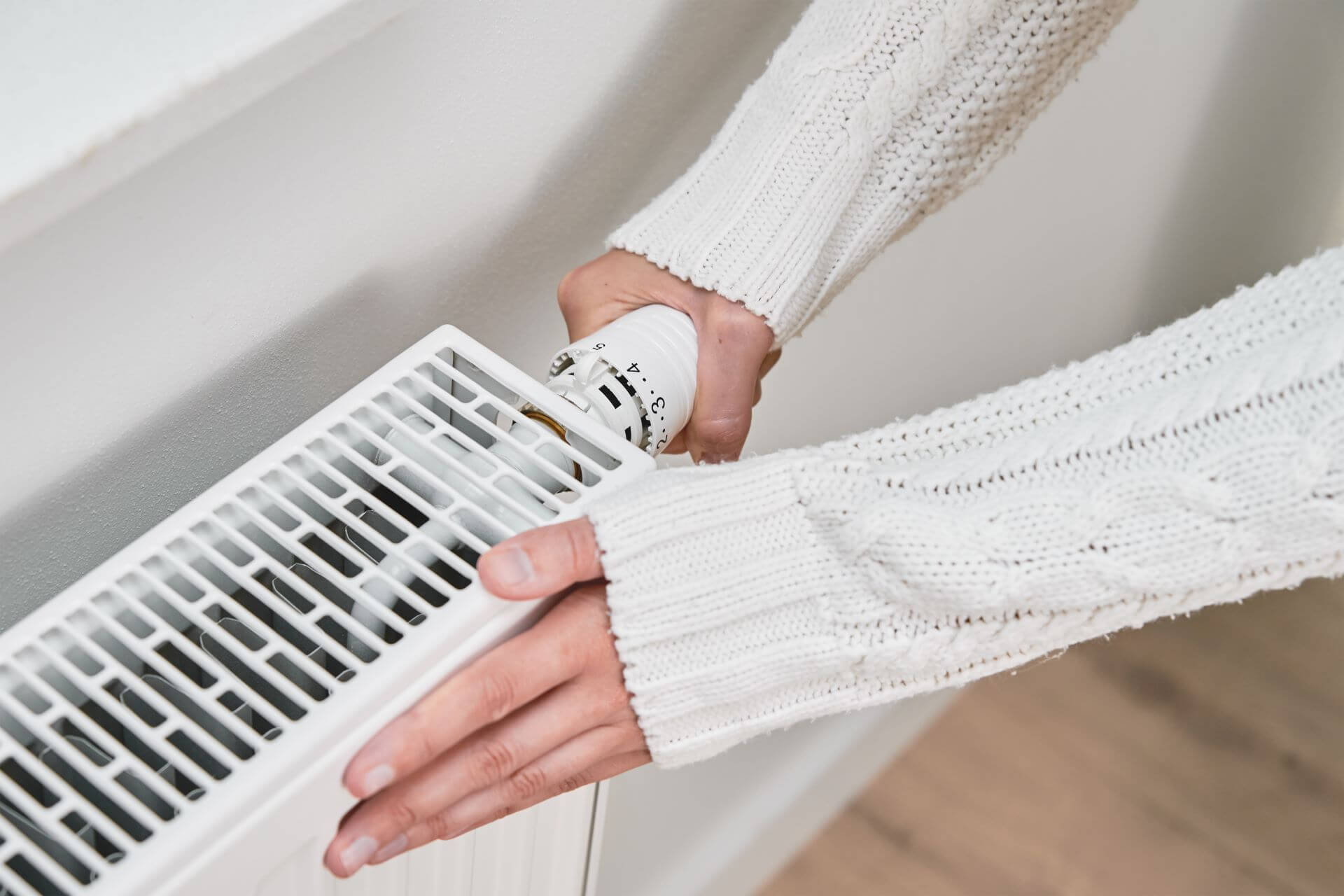
2. Bleed Radiators:
It is essential to bleed the radiators to remove any trapped air. Air pockets can compromise the system's efficiency by preventing proper water circulation. Bleeding the radiators is a straightforward process that can be done with a radiator key.
Simply open the valve slightly until you hear a hissing sound, indicating the release of trapped air. This ensures that your radiators heat up evenly and efficiently, keeping your home warm and cosy.
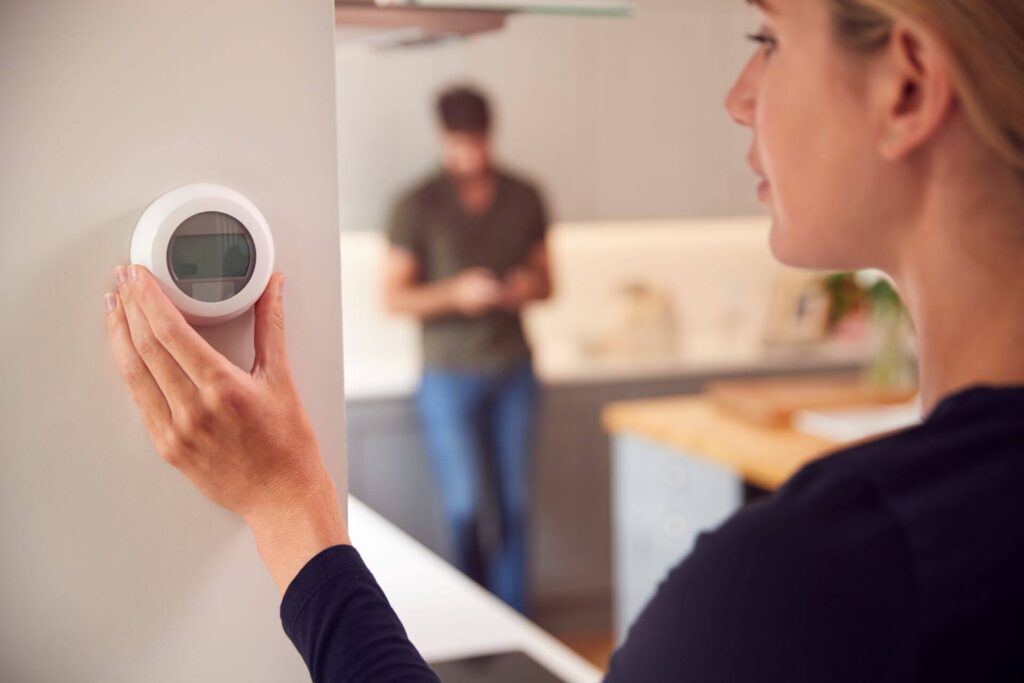
3. Inspect Thermostat Functionality:
The thermostat serves as the command centre for your heating system, allowing you to regulate temperature settings and energy usage. Before winter, thoroughly inspect your thermostat to ensure it's working accurately. Consider upgrading to a programmable thermostat if you haven't already, as it provides greater control over your heating schedule, optimising energy consumption and maintaining a comfortable indoor climate.
4. Check for Leaks and Insulate Pipes:
Inspect your heating system for any signs of leaks, especially around pipes and connections. Leaks not only waste energy but can also lead to water damage and increased repair costs.
Additionally, take the time to insulate exposed pipes to prevent freezing during extremely cold weather. Well-insulated pipes contribute to the overall efficiency of your heating system and reduce the risk of disruptions due to freezing.
Frozen Pipes:
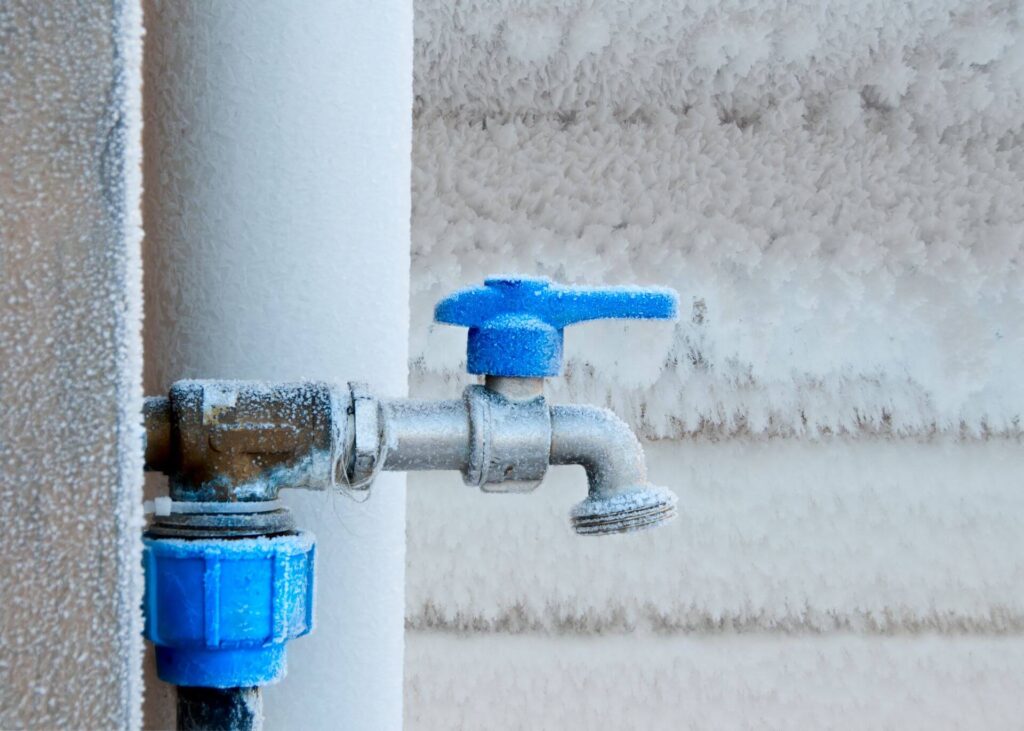
One of the most common issues homeowners face during winter is frozen pipes. When water inside the pipes freezes, it expands, putting immense pressure on the pipe walls. This can lead to cracks, leaks, and even burst pipes if left unaddressed.
To prevent this, consider the following steps:
a. Insulate Exposed Pipes: Identify pipes that are exposed to the cold and insulate them using pipe insulation or heating tape. This extra layer helps retain heat and prevent freezing.
b. Keep Cabinets Open: In areas where pipes are located in cabinets, such as under the sink, keep the cabinet doors open to allow warm air circulation. This can make a significant difference in preventing freezing.
c. Drip Faucets: On extremely cold nights, allow faucets to drip slightly. Moving water is less likely to freeze, reducing the risk of pipe damage.
Clogged Drains and Sewer Lines:
Winter can bring an increase in cooking and entertaining, leading to more food scraps and debris going down the drain. Additionally, cold weather can contribute to the contraction of sewer lines, making them more prone to blockages.
To avoid clogged drains and sewer lines, follow these tips:
a. Dispose of Grease Properly: Avoid pouring grease down the drain, as it can solidify and cause blockages. Instead, collect grease in a container and dispose of it in the bin.
b. Use Drain Guards: Place drain guards or screens in sinks and showers to catch hair and other debris before they can accumulate and cause a blockage.
Hot Water Tank Issues:
Winter demands more from your water heater as you take longer, hotter showers or baths to combat the cold. However, this increased demand can strain the water heater and lead to performance issues.
To maintain a reliable water heater during winter, take these steps:
a. Set the Right Temperature: Adjust your water heater to a temperature that is warm enough for comfort but not excessively hot. This not only prevents scalding but also reduces strain on the unit.
b. Flush the Tank: Sediment buildup in the water heater tank can decrease efficiency. Periodically flush the tank to remove sediment and ensure optimal performance.
c. Insulate the Tank: Insulating your water heater tank can help retain heat, reducing the workload on the unit and improving energy efficiency.
Leaky Taps and Fixtures:
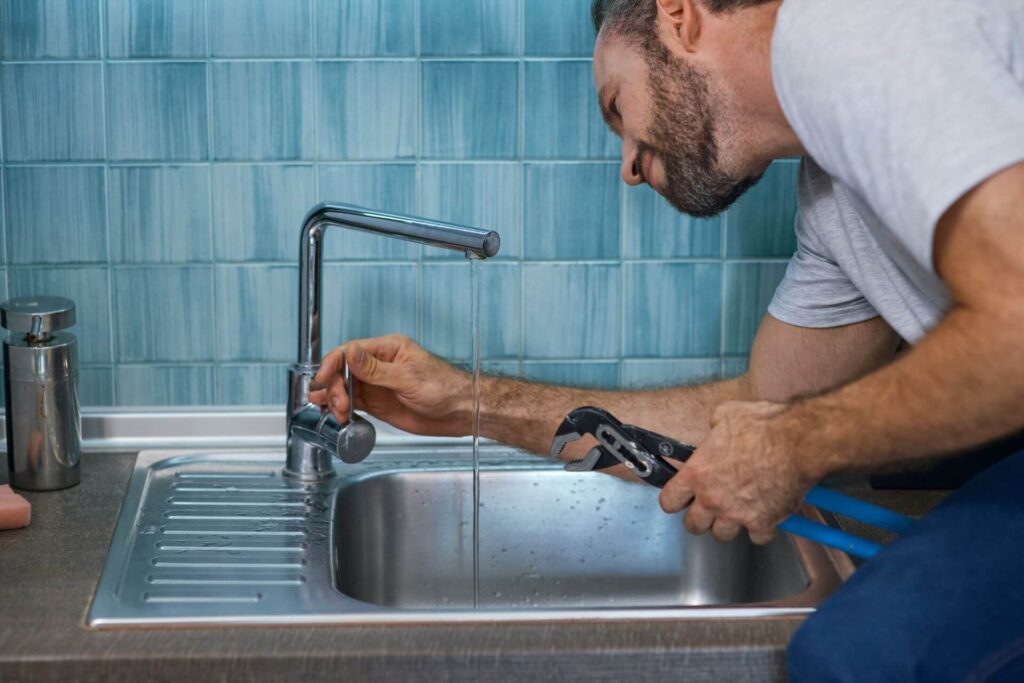
Cold temperatures can exacerbate existing issues with taps and fixtures, leading to leaks. A small drip may seem inconsequential, but over time, it can waste a significant amount of water and contribute to higher water bills.
Address leaky faucets with the following tips:
a. Check and Replace Seals: Worn-out seals and gaskets are common culprits for leaks. Inspect faucets, showerheads, taps, and other fixtures for any signs of deterioration and replace seals as needed.
b. Insulate Outdoor Faucets: Outdoor taps are especially vulnerable to freezing. To prevent leaks caused by freezing and thawing, insulate outdoor faucets with covers designed for this purpose.
c. Call a Professional: If you're unable to identify or fix the source of a leak, don't hesitate to call a plumbing professional such as Quantum Electrical and Plumbing. Ignoring leaks can lead to more significant issues down the line.
Winter may bring picturesque snowscapes and cozy evenings by the fire, but it also poses unique challenges for your plumbing system.
By taking proactive measures and addressing issues promptly, you can ensure a winter season free from plumbing headaches.
Remember, if a problem persists or seems beyond your expertise, consulting with a professional plumber is always a wise decision. Stay warm and keep your plumbing in top shape throughout the colder months! Quantum Electrical are also a special Emergency Plumbers London.